
Sell a Gun Collection
Maybe you inherited a collection you don't know anything about. Or maybe you know every serial number by heart. Either way, you're in the right place. Get a free, no-obligation cash offer, or consign your standout pieces to a 3M-buyer auction. Free insured shipping, same-day payment on arrival, no account required. More about how it works, what your collection might be worth, the legal details, and whether or not you decide to sell to us, all below.

Not sure where to start? Call (904) 977-5477.
Licensed FFL/SOT · We buy collections in all 50 states
1 to 1,000+ Firearms, No Collection Too Big or Small
One deal, one point of contact, any size collection.

1. Send photos of what you have
No list, no research, no cleaning. Photos are enough.

2. We price every piece
Guns, optics, ammo, and accessories, on real sold comps.

3. Ship free, get paid same day
Insured label or pickup. We file all the paperwork.


Where You Fit
Start Where You Are
It doesn't matter how much you know about firearms. There's a path for you. Pick the one that fits.
- For collectors
I know my collection
You can list makes, models, and condition. Send your list for a fair offer, or consign standout pieces for more.
See how selling works → - For first-timers
I'm not sure what I have
You might be looking at a safe full of guns and have no idea what you have. That's fine. Start with photos and we'll identify everything and tell you what it's worth.
Start with the first step → - For heirs
I inherited a collection
Did a parent or relative leave you firearms? We handle the identification, valuation, and paperwork so you don't have to become an expert.
Read the inherited section → - For executors
I'm settling an estate
Working on a probate timeline with multiple heirs and an attorney? We work at your pace and provide documentation for the estate.
See the legal steps →
Your collection is worth more than the guns alone. The boxed ammunition, optics, red dots, lights, magazines, and accessories carry real value too, and across a full collection it adds up fast. We appraise and pay for all of it right alongside the firearms, so you get paid for everything you actually own.
Video Review
An Amazing Offer on an Inherited Winchester
This seller inherited a Winchester Model 94 and didn't know the first thing about selling it legally. Here's how it went.
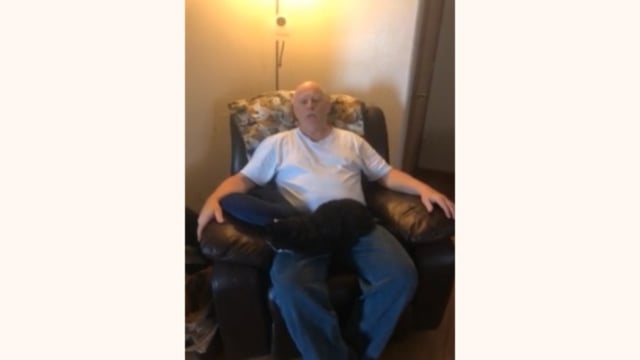
Sold: Winchester Model 94 (inherited) · Paid in 5 days
See more video reviews →Real Sellers
What Collection Sellers Say
Verified Google and BBB reviews from people who sold a collection, an estate, or several guns at once.
4.9 from 2,000+ reviews · see all
Scroll for more →

How It Works
Our Process
- Step 1
Photograph
Snap clear photos of both sides of each firearm. No need to worry about identifying anything.
- Step 2
Send them in
Upload the photos. We'll identify each piece and send you a real cash offer.
- Step 3
Ship free
We send you an insured shipping label. Ship on your schedule.
- Step 4
Get paid
Once your guns arrive and are verified, payment goes out that same day. We handle all the paperwork to make the process as easy as possible on your end.
Common Questions
What Collection Sellers Are Asking
- What's the first step?
- How do you figure out what it's worth?
- Do you really need a paid appraisal?
- Where's the best place to sell?
- Selling in bulk? Meet Collector Concierge
- Common mistakes that cost you money
- Is it legal to sell an inherited collection?
- Do you need an FFL or background check?
- How do you sell NFA items (suppressors, SBRs)?
- Cash offer or consignment? (You keep 80 to 88%)
- When is a dealer not your best option?
- How selling to Cash for Arms works
- Key terms, defined
- Common questions
What's the First Step to Selling a Gun Collection?
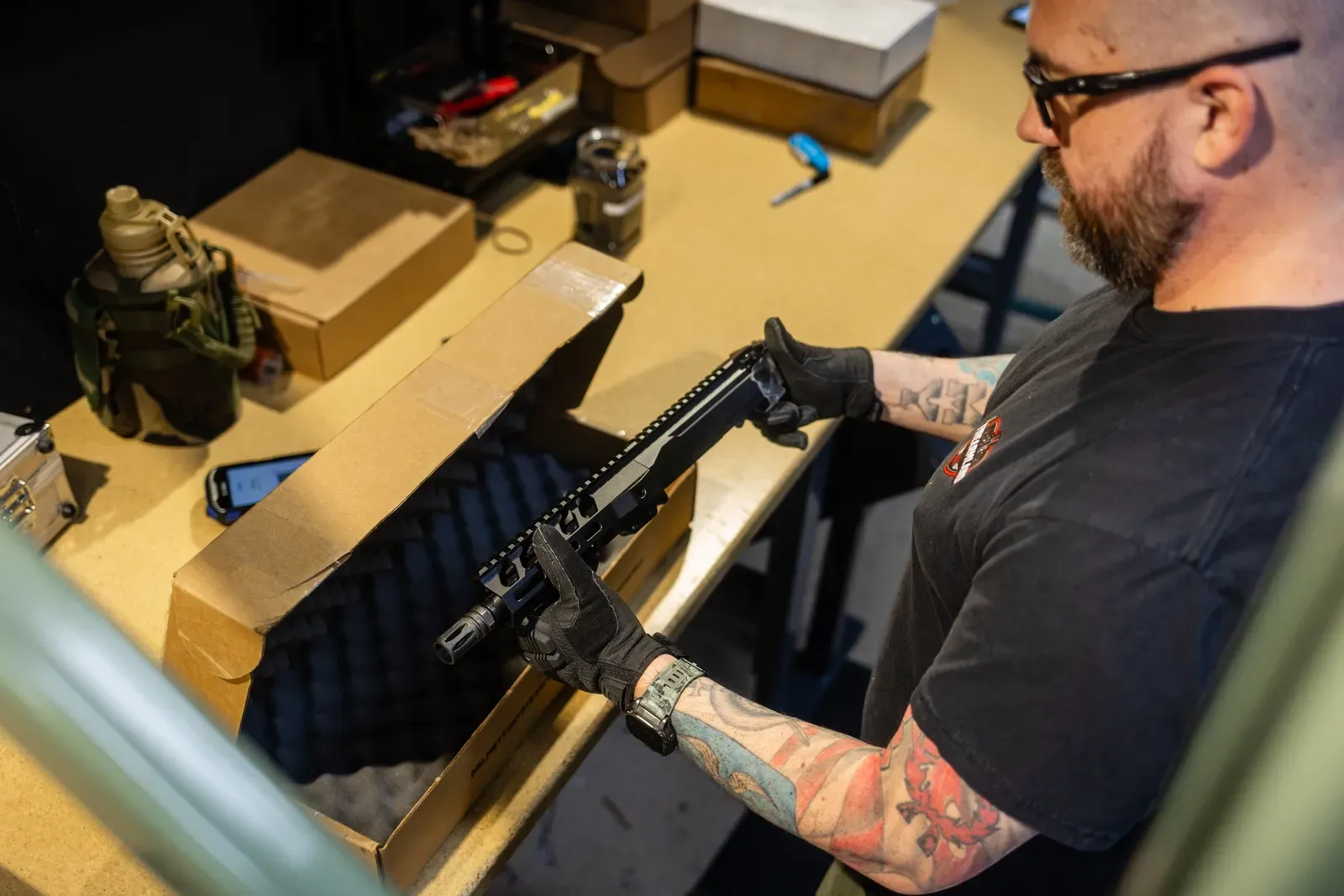
You don't have to clean, research, or value anything before reaching out. Feel free to share what you know if you're able to name every make and model in your collection. If not, and you're looking at a safe full of guns you can't identify, photos are enough and we'll walk you through it.
The first step is photos, not research. Take clear pictures of each firearm, both sides, plus any stamped markings, boxes, and paperwork. If you can read a make, model, or serial number, jot it down. If you can't, that's fine. The photos are enough for a dealer to identify everything and tell you what it's worth.
How Do You Figure Out What a Gun Collection Is Worth?
A collection's value comes down to four things: condition, rarity, documentation, and demand. The easiest way to find out what your guns are worth is to look at recent sold prices for guns like yours to see what buyers actually pay. Or reach out and we'll give you a hand, and we can provide you with a real offer.
The four things that determine value
- 01Condition
- 02Rarity
- 03Documentation
- 04Demand
These are the two important numbers you want to keep in mind:
Market value is what a buyer eventually pays for the gun. We recommend using completed sales as your guide, not asking prices.
What you'll actually be paid is that market number minus whatever the channel charges to do the work of reselling: a dealer's margin, an auctioneer's commission, or your own hours and shipping if you sell it yourself.
One more thing worth knowing: a matched set, a complete model series, or a collection with documented history can sell for more together than piece by piece. A pile of common, well-used hunting guns is worth roughly the sum of its modest parts. Knowing which one you have tells you whether auction or consignment is worth the extra effort.
Market value – channel cost = what you get
Example: one rifle with a $2,000 market value, sold three different ways.
Market value
$2,000
What a buyer eventually pays, based on completed sales for that exact make, model, and condition.
Channel cost
$300 – $700
A dealer's margin, an auctioneer's 20 to 35 percent commission, or your own hours, fees, and shipping.
What you get
$1,300 – $1,700
The number that actually reaches your account. Faster channels cost more; slower ones keep more.
Do You Really Need a Paid Appraisal?
For most guns, no.
For a genuinely rare piece, sometimes yes.
A paid appraisal is often off, because it can be based on one person's opinion, and you pay for that opinion either way. A better way to gauge what a piece is worth is by reviewing recent sold prices, or getting an actual offer from someone who buys collections.
An appraisal is just an estimate on paper. An offer is a real cash option.
A collectible firearm is the exception. If a piece is rare, historically significant, or carries documented provenance, it could push its value into thousands or tens of thousands. That is when a specialist appraisal from someone who knows that niche would be worth every penny. They could price it correctly and attract serious collectors. A formal appraisal also makes sense when you need a paper value for insurance, estate tax, or legal records. Otherwise, we suggest letting recent sold prices and real offers provide you with a general idea.
Where's the Best Place to Sell a Gun Collection?
There are six common ways to sell a collection.
How selling channels compare on the things that actually matter. Fee and price figures are typical industry ranges, not guarantees.
| Option | What you typically net | Timeline | Your effort and risk | Best for |
|---|---|---|---|---|
| Cash for Arms | Higher percentage than general retailers (resells nationally) | About 1 to 2 weeks | Very low. They identify, price, ship, and file paperwork | Whole collections, estates, mixed value, NFA |
| Firearms auction house | Closest to full market on rare pieces | 1 to 3+ months | Low effort, but 20 to 35 percent in fees | Rare, antique, or collectible standouts |
| Consignment | High. Sells at market, minus a percentage | About 4 weeks | Low. You wait for it to sell | Valuable guns you're not in a rush to sell |
| Sell it yourself online | Full price minus fees, shipping, and your time | Weeks to months | High. Roughly hours of work per gun, plus shipping and buyer FFL coordination | A few high-value guns and patience |
| Local gun shop | Often 40 to 60 percent of value (they need resale margin) | Same day | Low. May decline guns they can't resell | A handful of common guns, fast |
| Pawn shop | Lowest of all | Same day | Low | Fastest possible cash, least money |
Selling in Bulk? Meet Collector Concierge
We buy collections of any size, as one deal with one point of contact. For larger collections, one dedicated expert handles everything from first photo to final payment, and if the collection is big enough we come to you anywhere in the country. The four situations below cover most of what our Concierge team handles.
- Private collectors and individuals
Selling a collection you built over the years
We will buy whatever's in your safe. One deal for every type of gun and everything that goes with it. That includes NFA items, optics, ammunition, and accessories, all valued and paid separately.
Typical fit: downsizing, changing interests, or moving a lifetime of collecting in one transaction.
- Planning ahead and downsizing
Handle the collection yourself, on your own terms
For longtime owners who'd rather sort the collection out themselves than leave a safe full of questions behind. Get a written valuation on every gun, sell some or all of it when you're ready, and hand your family a much simpler picture.
Typical fit: responsible owners thinking ahead, no external deadline.
- Law enforcement agencies
Police trade-ins and property-room surplus
Duty weapons, adjudicated evidence firearms, property-room surplus, and the ammunition and accessories that come with them. We work with procurement and property officers, and our federal license covers every step.
Typical fit: departments upgrading platforms, changing calibers, or clearing property rooms.
- FFL dealers and liquidations
Retiring, surrendering a license, or downsizing inventory
Whole-inventory purchase, dealer to dealer: firearms, ammunition, accessories, and NFA/SOT items. Clean FFL-to-FFL transfer with the bound book closed out right.
Typical fit: retiring FFLs, license surrenders, and dealers downsizing inventory.
Common Mistakes That Cost People Money
Most of the money people leave on the table comes from a handful of avoidable mistakes: cleaning collectible guns, tossing the original boxes and paperwork, taking the first lowball offer, trying to sell a big collection one gun at a time, and mishandling NFA items. Avoiding these is often worth more than which buyer you pick.
- 1. Cleaning, re-bluing, or "restoring" the guns.On collectible firearms, original finish (even worn) is usually worth more than a polished one. A well-meaning cleanup can quietly erase real value. Photograph it as-is and leave it alone.
- 2. Throwing out the boxes, manuals, and paperwork.Original boxes, receipts, and any documented history can add a meaningful amount, especially on collectible pieces. Keep everything that came with the guns.
- 3. Taking the first offer with no reality check.Before you agree to a price, glance at recent sold prices for similar guns and get a second offer. A fair buyer will explain how it priced each gun and won't rush you.
- 4. Selling a large collection one gun at a time.Listing individually can mean hours of work and shipping per gun. If you have volume, a single dealer sale, consignment, or auction handles the whole thing at once.
- 5. Treating NFA items like regular guns.Suppressors, short-barreled rifles and shotguns, and machine guns transfer differently and on a different timeline. Identify them early so they don't stall the rest of the sale.
- 6. Pricing a collection as a stack of individual guns.A matched set or a documented collection can be worth more together than apart. Common, well-used guns are worth about the sum of their parts.
- 7. Selling privately without handling the legal side.A private sale is legal, but verifying the buyer, completing any required transfer, and keeping records all fall on you. For a whole collection, that risk usually isn't worth it.
“I recently used Cash for Arms to sell a collection of firearms I inherited from a family member, and I am beyond impressed. Not being familiar with the gun market, I was hesitant, but they made everything easy and stress-free.”
Situation-specific answers
For inherited collections, NFA items, FFL requirements, and key terms.
NFA items, meaning suppressors, short-barreled rifles and shotguns, and machine guns, are legal to sell but move through a separate ATF transfer. Sold through a dealer with SOT status, the transfer typically takes about 2 to 3 weeks. The same transfer between two private individuals can take 250 to 370 days, which is why most people route NFA items through a licensed dealer.
If you're not sure whether something in the collection is an NFA item, flag it and ask before you do anything else. Here's how selling NFA and Class III items works.
Yes, in almost every case. Inheriting firearms is legal, and you do not need a license to sell them. As an heir or executor you can usually transfer the whole collection directly to a licensed buyer, who handles the FFL paperwork and any state-to-state compliance. The only real extra steps come up with NFA items, which transfer separately.
This is the most common reason people land on this page, and it's rarely only a transaction. There's often grief, sometimes a probate timeline, and frequently no idea what the guns even are. A few things that help:
- You don't need to identify or value anything first. Clear photos and any serial numbers are enough.
- Incomplete paperwork is normal. Most estate collections come with little or no documentation, and that's fine.
- If you're the executor, the collection can typically be sold on behalf of the estate and the proceeds handled like any other asset. Have basic information about your role ready.
- Keep NFA items separate in your notes. They transfer on a different track, covered below.
We've walked a lot of families through this, and we go at your pace. If you're navigating an estate or planning ahead, call us and we'll talk it through.
No. You can sell firearms you own without a license. The moment a sale crosses state lines, federal law requires it to go through a licensed dealer (an FFL), so selling to a licensed buyer keeps you compliant automatically. They run the background check on their end and keep the records, not you.
Here's what a licensed buyer handles on your behalf:
- The FFL transfer for every firearm, including across state lines.
- Buyer eligibility, verifying the transaction meets federal and state law, so you're not vetting a stranger.
- Documentation, so you get a record of the sale and a bill of sale.
You can sell privately too, but then confirming the buyer can legally own the gun, completing any required transfer, and keeping records all fall on you. For a whole collection, that's a real reason many people choose a licensed buyer.
A few terms come up constantly when selling a collection. Here's what they actually mean, in plain language, so nothing on this page (or in an offer) is a mystery.
- FFL
- Federal Firearms License. The license a dealer holds that lets it legally buy, sell, and transfer firearms. When you sell to an FFL, you don't need a license yourself.
- FFL transfer
- The paperwork that legally moves a firearm to a new owner through a licensed dealer. Required any time a gun crosses state lines.
- NFA item
- A firearm regulated by the National Firearms Act, such as a suppressor, short-barreled rifle or shotgun, or machine gun. Legal to sell, but with a separate ATF transfer process.
- SOT
- Special Occupational Taxpayer. The status a dealer needs to handle NFA items, which speeds an NFA transfer to about 2 to 3 weeks.
- Consignment
- A dealer sells the gun for you and takes a percentage when it sells. Often nets more than an outright sale, but you wait for a buyer.
- Provenance
- Documented history of a firearm (original owner, papers, notable use). Strong provenance can raise a collectible gun's value.
How Selling to Cash for Arms Works
The only thing we need from you is a few photos. From there we identify every gun, research it, and price the collection. Customers typically hear back from us within about two hours, but there is no commitment unless you want to move forward.
You don't have to do this all at once. We can price a batch first, walk through on the phone gun by gun, or handle everything at once. Your goals set the pace.
How we price your collection: verified sold prices for every gun
We do the work of pulling recent, verified sold prices for each firearm's exact make, model, and condition, then show you those comps so you can see exactly where every number came from. If a piece would do better at auction than with us, we'll tell you. You always understand how we reached your offer, so you're never deciding blind.
You see the numbers behind it.
The comparable sold listings for each gun come with your offer, so it's transparent.
Everything you own gets valued.
Boxed ammunition, optics, lights, magazines, and accessories are appraised and paid for alongside the guns.
You can hold us to a price.
If you have a written offer from another licensed dealer, our best-price guarantee means we match it and beat it.
We fill in the gaps for you.
We identify the guns you can't, flag anything you might want to keep, and answer questions for as long as you need.
We're here when you actually need us
We buy guns 365 days a year, and you can reach a real person by email from 7 AM to midnight ET every single day, including weekends and holidays. Whether you want everything handled this week or you'd rather take it slow over months, we answer on your schedule, not only ours.
You send a few photos
Share a few photos and we'll get back to you. Typically in about 2 hours. No obligation to move forward if you aren't interested.
We price it and show our work
We share the comparable sold listings behind each number, so you can see exactly where the offer came from.
You decide, then get paid fast
Ship free or schedule a pickup, we file the paperwork, and you're paid the same day it's verified.
If our offer doesn't beat a written offer from another licensed dealer, our best-price guarantee says we'll match and beat it. And if you'd rather aim for the highest possible sale price on standout pieces, ask about PrimeConsign consignment, a 14-day auction to 3 million plus buyers with tiered payouts from 80 to 88 percent.
See what your collection is worth, free and with no obligation.
1 to 1,000+ firearms, no collection too big or small. Whether you know everything or nothing, we'll take it from here.
Cash Offer or Consignment? You Choose
There are two ways to sell with us. Take a guaranteed cash offer and get paid the same day your guns arrive, or consign through PrimeConsign and keep 80 to 88 percent of the net proceeds, typically paid in about 3 to 4 weeks. Consignment includes a 14-day no-reserve auction in front of more than 3 million buyers, and we handle all of it.
Take a cash offer
A guaranteed amount, paid the same day your collection arrives and is verified. No waiting on a buyer.
- Fastest: usually a week or two start to finish
- A guaranteed number, locked in when you accept
- Best when you want certainty and speed, or you're settling an estate
Consign with PrimeConsign
We list it and run a 14-day no-reserve auction to 3 million plus buyers, then pay you 80 to 88 percent of the net proceeds. Usually paid in about 3 to 4 weeks.
- Often nets more on rare, collectible, or high-value guns
- You keep 80 to 88 percent of net proceeds
- We handle the listing, photos, the auction, and the transfer
How the consignment split works
A 3.5% auction fee and outbound shipping come off the final sale price to get your net proceeds. Then you keep the large majority of that net, and your share rises with the value of the gun. A $100 minimum applies to our side, so very low-value single items keep proportionally less.
| Tier | Sale price | Our split | You keep |
|---|---|---|---|
| Silver | Under $1,000 | 20% ($100 min) | 80% of net |
| Gold | $1,000 to $2,999 | 15% ($100 min) | 85% of net |
| Gold Select | $3,000 and up | 12% ($100 min) | 88% of net |
No separate listing or photography charges.
Our honest recommendation
If you like the cash offer we make, take it. It's guaranteed, it's immediate, and you're done. If the cash offer isn't quite what you hoped and you're set on selling, consign it. A 14-day no-reserve auction puts your gun in front of millions of buyers and gets you as close to true market price as possible.
When a Dealer Isn't Your Best Option
A dealer like us is not the right answer for every collection. If you have a single museum-grade rarity, plenty of time, and you enjoy the process, an auction house or selling it yourself will likely net more. Here's the honest breakdown.
Where a buyer like us makes sense: whole collections, estates, mixed bags of common and valuable guns, anything that involves shipping or multiple states, and NFA items. In other words, we are better for speed, having the paperwork handled for you, and a simple predictable process, instead of squeezing the last dollar out of one trophy gun.
Three times we'd point you elsewhere
One exceptional, rare piece with real collector demand.
A specialty auction house can find the single buyer willing to pay a premium. If we think you have one, we'll tell you.
In this case, try a specialty auction house
You want the absolute maximum and don't mind the work.
Selling individually online can capture full retail, if you're ready for the hours and shipping per gun.
In this case, try selling individually online
A couple of common guns and you need cash today.
A local shop down the road is simpler than shipping a collection.
In this case, try a local shop
- 1,301
- Collections bought last year
- $3M+
- Paid out for collections
- ~2 hrs
- Typical time to an offer.Allow longer for full collections.
- 4.9★
- 2,000+ reviews
Nationwide
We Buy Collections in Every State
Local rules vary. Jump to your state's guide for specifics and city pages, or start at our Sell My Gun hub for the full process.
Related: Estate and liquidation servicePrimeConsign consignmentNFA / Class III
FAQ
Common Questions
The questions people actually ask when selling a collection.
Take clear photos of each firearm and any markings. If you can read a make, model, or serial number, jot it down, but it's completely fine if you can't. The photos are enough for a licensed dealer to identify the guns and tell you what they're worth. You don't need to clean or research anything first.
For most guns, no. Paid appraisals are often inaccurate, sometimes well above or below what a gun actually sells for, and you pay either way. A free reality check works better: recent sold prices plus an actual offer from a buyer. The exception is a genuinely collectible piece, one that's rare or has documented provenance that could push its value very high. There, a specialist appraisal can be worth it, and it also makes sense for insurance or estate-tax records.
It depends on the channel. Big-box retailers often pay around 40 percent of value, and pawn shops less. Auction houses can reach full market price but charge 20 to 35 percent and take months. A specialized firearms buyer usually pays a higher percentage than a general retailer because it resells into a national market.
No. You don't need a license to sell your own collection. When you sell to a licensed buyer, they're the licensed party. They run the required checks and handle the transfer paperwork, including any time firearms cross state lines.
Cleaning or refinishing collectible guns, throwing away original boxes and paperwork, accepting the first lowball without a reality check, trying to sell a large collection one gun at a time, and overlooking that NFA items transfer separately. Avoiding these usually matters more than which buyer you pick.
Yes. With PrimeConsign we run a 14-day no-reserve auction to 3 million plus buyers, and you keep 80 to 88 percent of the net proceeds depending on value tier (net is the sale price after a 3.5 percent auction fee and shipping, and a $100 minimum applies to our split). Most consignments pay out in about 3 to 4 weeks, and it often nets more than an outright sale on rare or high-value guns.
Selling piece by piece online can take hours of work per gun plus shipping. For volume, the practical options are a single sale to a firearms dealer, consignment, or a firearms auction house. Each takes the whole collection at once.
No. Don't refinish, re-blue, or modify anything. On collectible firearms, amateur cleaning can lower the value. Original condition, boxes, and paperwork are worth more than a polished-up gun. Leave it as-is.
They're legal to sell but need an ATF Form transfer and registered-owner verification. Through a dealer with SOT status the transfer usually takes about 2 to 3 weeks, versus 250 to 370 days for a private individual-to-individual transfer.
Not Sure Where to Start? Send Us a Photo.
Send us pictures and whatever you've written down, even if that's nothing. We'll identify the collection, tell you what it's worth, and make an offer, usually within a couple of hours. No obligation, and no pressure at all if you decide to keep it. We'll treat you with patience either way.